
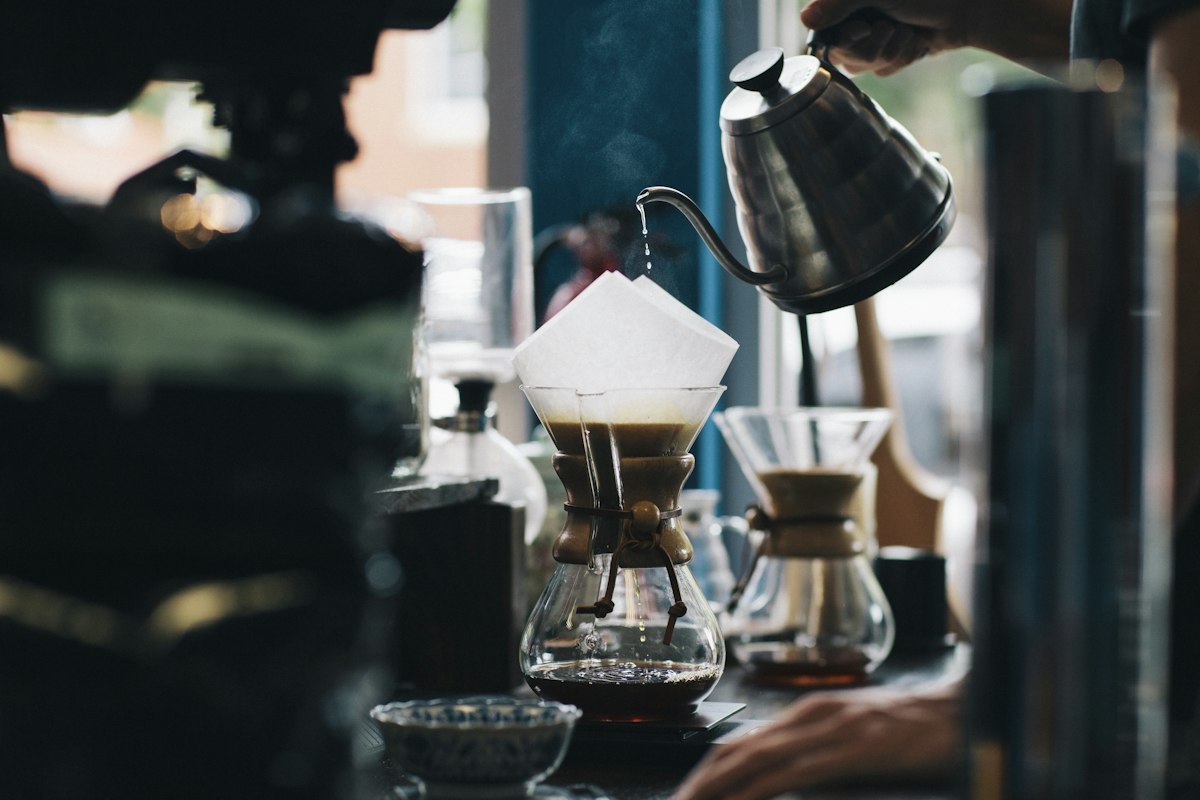
If you are choosing between a French press and a pour over, you are really choosing between two philosophies of coffee. The French press steeps grounds in hot water like tea, then filters them through metal mesh. It gives you a heavy, rich, oily cup with almost no technique required. The pour over drips water through grounds in a paper filter, giving you a clean, bright cup that rewards practice with incredible flavor detail. Both cost less than a week of coffee shop visits. This guide compares them head to head on taste, effort, cost, and cleanup, with exact recipes for both, so you can pick with confidence instead of guessing.
The Short Answer
Buy the French press if you want a bold, full-bodied cup with minimal fuss, you brew for two or more people, or you drink darker roasts and milky drinks. Buy the pour over dripper if you chase flavor clarity, you brew light-roast single origins, and you enjoy a hands-on morning ritual. If you can only buy one and you are new to manual brewing, the French press is the safer first purchase: it is forgiving, and a bad pour over is worse than an average press.
French Press vs Pour Over at a Glance
| French Press | Pour Over | |
|---|---|---|
| Brew style | Immersion (grounds steep in water) | Percolation (water flows through grounds) |
| Filter | Reusable metal mesh | Paper (sometimes metal) |
| Grind size | Coarse, like breadcrumbs | Medium-fine, like table salt |
| Ratio | 1:15 | 1:16 |
| Water temp | 200°F (just off boil) | 200 to 205°F |
| Brew time | 4 minutes steep | 2:30 to 3:30 drawdown |
| Body | Heavy, textured, oily | Light to medium, silky |
| Flavor | Bold, chocolatey, rounded | Bright, nuanced, layered |
| Batch size | 1 to 4 mugs at once | 1 to 2 cups per brew |
| Skill needed | Low | Moderate to high |
| Cleanup | 1 to 2 minutes (scoop, rinse, wash) | 15 seconds (toss filter, rinse) |
| Startup cost | $25 to $50 | $35 to $80 with kettle |
| Yearly filter cost | $0 | $25 to $40 |
Exact Recipes: Brew Both Side by Side
The best way to decide is to taste the difference with the same beans. Here are dialed-in recipes for both methods using 500 ml (about 17 oz) of water.
French Press Recipe
- Coffee: 33 g, coarse grind (breadcrumbs)
- Water: 500 g at 200°F
- Method: Add grounds, pour all the water, stir once, lid on with plunger up. Steep 4 minutes. Break the crust with a spoon, skim the foam, press slowly, and pour every cup immediately.
Pour Over Recipe (V60-Style)
- Coffee: 31 g, medium-fine grind (table salt)
- Water: 500 g at 203°F
- Method: Rinse the paper filter with hot water and discard the rinse. Add grounds, pour 60 g water for a 45-second bloom, then pour in slow spirals to 500 g. Total drawdown 2:30 to 3:30.
Brew the same bag of coffee both ways on the same morning. The press will taste rounder and heavier; the pour over will taste cleaner with more distinct notes. Your preference between those two cups is your answer, and it is worth more than any article.
Which Roast for Which Brewer
This is the pairing advice most comparisons skip, and it matters more than the brewer itself.
French press loves medium and dark roasts. Immersion brewing emphasizes body and sweetness, which is exactly what darker roasts offer: chocolate, caramel, toasted nuts. The metal filter lets the roast’s natural oils through, and those oils are a big part of why dark roast tastes “rich.” Light roasts in a press can taste sharp or thin because the method mutes the delicate acidity that makes light roasts interesting.
Pour over loves light and medium roasts. The paper filter strips oils and sediment, which lets origin character shine: the blueberry of an Ethiopian, the citrus of a Kenyan, the florals of a washed Colombian. Dark roasts in a pour over can taste flat or ashy because the method removes the body that carries their flavor.
Practical rule: if your bag says “chocolate, caramel, smoky,” reach for the press. If it says “jasmine, bergamot, stone fruit,” reach for the pour over. If you only drink one roast style, let that decide for you.
The Real First-Year Cost
Sticker prices lie. Here is what each method actually costs over twelve months of daily brewing.
French press: a good 34 oz press ($30 to $45), a basic burr grinder ($40 to $80 if you do not own one), and zero filter costs. First-year total for the brewer itself: roughly $30 to $45.
Pour over: a dripper ($10 to $25), paper filters ($25 to $40 per year at one brew a day), and realistically a gooseneck kettle ($35 to $60) because pouring control is half the method. First-year total: roughly $70 to $125.
The grinder is the great equalizer: both methods need one, and it improves both more than any brewer upgrade. Our coffee grinder guide covers what to look for, and the same consistency principles apply at coarse and medium settings.
The Health Angle Worth Knowing
French press coffee is unfiltered, which means it contains cafestol and kahweol, natural coffee oils that can raise LDL cholesterol when consumed heavily. Paper filters trap most of them. This is not a reason to panic: research points to heavy consumption (roughly five plus cups daily) as the concern, not a cup or two. But if you drink a lot of coffee and watch your cholesterol, pour over is the objectively better daily driver, or split your intake between methods. It is the one genuine health edge in this comparison, and most brew guides never mention it.
Which Should You Buy First?
Run through this in order:
- How many cups? Two or more at once points to French press. Solo drinker points to pour over.
- What roast? Dark and medium roasts point to press; light roasts point to pour over.
- Milk? Lattes and milky drinks need the press’s body to stand up to milk. Pour over disappears under milk.
- Patience? If your mornings are rushed, the press’s set-and-wait wins. If you enjoy ritual, pour over rewards you.
- Budget? Under $50 all-in, the press wins.
Whichever loses 3 to 2 or worse is your answer. And the honest endgame: most serious home brewers eventually own both. The press handles weekday volume and milky drinks; the pour over handles weekend single origins. If you go that route, start with the press and add the dripper later. For specific models, see our best French press picks and our best pour over drippers.
Frequently Asked Questions
Does French press have more caffeine than pour over?
At the same ratio, they land very close: roughly 95 mg per 8 oz cup. Caffeine follows the dose of coffee you use, not the brewer. French press recipes often use a slightly stronger ratio (1:15 vs 1:16), which can make the cup feel stronger, but that is the recipe, not the method.
Which is better for beginners?
French press, and it is not close. It has two variables (grind and time) and forgives sloppy technique. Pour over has five variables and punishes all of them. Start with the press, learn what extraction tastes like, then graduate to pour over if you want more control.
Can I use the same grinder for both?
Yes. Any decent burr grinder covers both ranges: coarse for press, medium-fine for pour over. You just change the setting between brews. Blade grinders struggle with both, but they fail harder on pour over, where uneven grounds cause channeling.
Which tastes stronger?
French press tastes stronger because of body and oils, not because it extracts more. It is a texture difference as much as a flavor one. If “strong” to you means intense and heavy, press. If it means vivid and complex, pour over.
Conclusion
There is no winner, only a better fit. The French press is the people’s brewer: bold, forgiving, cheap, and great for groups and milk drinks. The pour over is the enthusiast’s brewer: precise, clean, and unmatched for light roasts. Match the brewer to your roast, your household size, and your mornings, and you will stop wondering whether you chose wrong. Or do what most of us do eventually: buy the press now, add the dripper for weekends, and enjoy both.
