
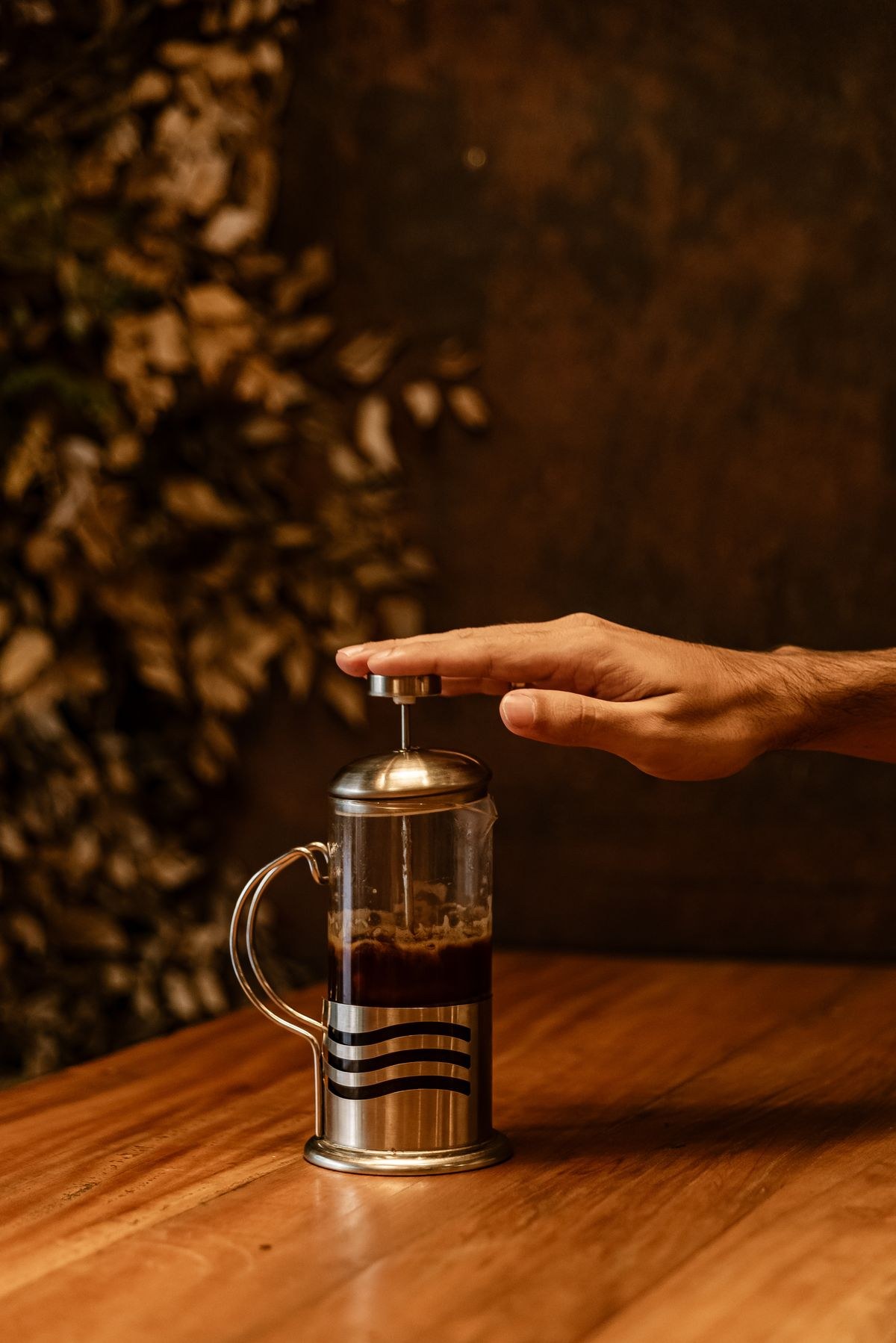
These are the two most recommended manual brewers on the internet, and they could not be more different in the cup. The French press is the old soul: full immersion, metal filter, heavy body, a little sediment. The AeroPress is the engineer: immersion plus air pressure, paper filter, clean cup, zero grit. Both cost less than a week of cafe lattes. This guide compares them on taste, cost, cleanup, health, and real-life usability, so you can stop reading forum arguments and just pick the right one for your mornings.
The 60-Second Answer
Buy the AeroPress if you brew for one, value speed and easy cleanup, travel, or prefer a clean, bright cup. Buy the French press if you brew for two or more, love heavy body and rich mouthfeel, and enjoy a slow morning ritual. If you genuinely cannot decide, the AeroPress is the safer first buy, because it is cheaper, nearly indestructible, and more forgiving of bad grinders. Most serious coffee people end up owning both within a couple of years anyway.
Side-by-Side Comparison
| AeroPress | French Press | |
|---|---|---|
| Brew method | Immersion plus air pressure | Full immersion |
| Filter | Paper micro-filter (metal disc optional) | Metal mesh screen |
| Brew time | 1 to 2 minutes | 4 to 5 minutes |
| Serving size | 1 to 2 cups | 2 to 8 cups depending on carafe |
| Cup character | Clean, smooth, bright | Full-bodied, rich, oily |
| Sediment | None | Some fine silt at the bottom |
| Grind size | Medium-fine | Coarse |
| Cleanup | Eject puck, rinse, 20 seconds | Disassemble, rinse grounds, scrub mesh |
| Durability | Nearly unbreakable plastic | Glass breaks; steel lasts |
| Portability | Excellent | Poor (fragile and bulky) |
| Price range | About $35 to $50 | About $20 to $80 |
Grind Settings: Getting Each One Right
The grinder matters more than the brewer, and each method punishes a different mistake. The AeroPress wants medium-fine, about like table salt. Go too fine and the plunger jams; too coarse and the short brew tastes thin and sour. The French press wants coarse, like sea salt or breadcrumbs. Too fine and you get sludge and a bitter, over-extracted cup that no amount of plunging fixes.
If you own one grinder for both, a decent burr hand grinder switches between the two settings in seconds. This is also where the AeroPress forgives more: its paper filter catches the fines that a cheap grinder produces, while the French press lets every bit of unevenness straight into your cup. Beginners with basic grinders genuinely get better cups from the AeroPress.
What Actually Changes in the Cup
Brew the same beans in both and you will think someone swapped your coffee. The French press lets the coffee’s natural oils and fine particles straight through its metal mesh. That is where the famous heavy body comes from, and why chocolate and nut notes taste bigger and rounder. The price is clarity: delicate floral or fruity notes get buried, and the last sips carry fine silt.
The AeroPress paper filter strips out nearly all the oils and sediment. The same coffee tastes cleaner, brighter, and more defined, with distinct flavor notes you can actually name. Pressure also shortens the brew, which keeps bitterness low. Light and medium roasts shine here in a way they simply do not in a press.
Neither cup is better in any absolute sense. It comes down to what you drink. Dark, chocolatey comfort coffee? French press. Bright, complex single origins? AeroPress.
The Health Detail Nobody Puts in Comparison Tables
Here is something most comparisons skip entirely. Coffee contains natural oils called diterpenes, mainly cafestol, which can raise LDL cholesterol in some people. Paper filters trap almost all of it. Metal mesh filters do not.
This does not make the French press dangerous. The effect is modest, and plenty of lifelong press drinkers have perfect cholesterol. But if your doctor has flagged your LDL, or heart health runs in your family, the AeroPress has a genuine, science-backed edge that has nothing to do with taste. It is worth knowing before you choose, because no flavor preference is worth ignoring your bloodwork.
What Each One Really Costs Over Five Years
Sticker price tells half the story. An AeroPress costs about $40 up front, plus paper filters at roughly $8 to $10 per 350-pack. A daily brewer goes through about one pack a year, so five years runs you around $80 to $90 total. A reusable metal disc cuts that to just the $40 if you go that route.
A decent French press costs $30 to $50 up front with zero ongoing filter cost. But glass carafes break. If you replace one $35 carafe in five years, you are at $65 to $85, basically identical to the AeroPress. Stainless steel presses dodge this entirely and can last decades, which makes them the cheapest long-term option of all. The honest math: cost should not decide this for you. Taste and lifestyle should.
Decide Based on Your Mornings
Buy the AeroPress if:
- You usually brew just for yourself
- Your mornings are rushed and two minutes matters
- You hate cleaning coffee equipment
- You travel, camp, or brew at the office
- You prefer clean, bright coffee with zero grit
- Cholesterol is something you watch
Buy the French press if:
- You regularly brew for two or more people
- You love bold, heavy-bodied coffee
- You enjoy a slow, hands-on morning ritual
- A little sediment does not bother you
- You mostly drink medium-dark to dark roasts
The Case for Owning Both
Here is the open secret of coffee people: these brewers do not compete, they complement. The AeroPress handles rushed weekday mornings and travel. The French press handles slow weekends and guests. Together they cost less than $80, take up one shelf, and cover every situation either one covers alone.
If you buy one now and the other in six months, you will not regret either purchase. Start with whichever matches your mornings today. Your future self, the one hosting brunch, will thank you for eventually owning both.
Frequently Asked Questions
Which makes stronger coffee?
The AeroPress makes a more concentrated cup because it uses a higher coffee-to-water ratio, and you can dilute it to taste. The French press makes a fuller-bodied cup because of the oils. “Stronger” depends on whether you mean concentrated or heavy.
Is the AeroPress hard to learn?
Not really. The standard method takes one brew to learn. The inverted method takes three or four tries to flip confidently. The French press is simpler still, but the gap is small.
Can I use the same grinder for both?
Yes, if it is a decent burr grinder. The AeroPress wants medium-fine, the French press wants coarse. A good hand grinder switches between them in seconds. Blade grinders struggle with both, producing dust and boulders no matter the setting.
Which is better for camping?
The AeroPress, by a mile. It is light, shatterproof, packs small, and cleanup needs only a rinse. Glass French presses are a liability outdoors, and even steel ones are bulky.
Conclusion
Choose the AeroPress for speed, clarity, and solo brewing. Choose the French press for body, batch size, and ritual. Choose based on your actual mornings, not internet hype, and remember that the real answer for most coffee lovers is eventually both. Either way, you are spending less than eighty dollars to permanently upgrade your coffee. That is the easiest win in the entire hobby.
